
Maintaining a healthy smile in St. Cloud starts with the right toothbrush. Both manual and electric toothbrushes clean teeth, but understanding their differences helps you choose the best option for your oral health. Centrasota Dental is here to guide you.
Manual Toothbrushes: The Simple and Affordable Choice
Manual toothbrushes are a classic, affordable option. They rely on your hand’s motion to remove plaque and food debris. To maximize cleaning, use gentle, circular strokes, and ensure you cover all tooth surfaces. Soft bristles are crucial to avoid damaging your gums and enamel. Hard bristles can lead to gum recession and enamel wear over time, causing sensitivity and discomfort.
When selecting a manual toothbrush, look for the American Dental Association (ADA) Seal of Acceptance. This seal indicates the toothbrush has met specific standards for safety and effectiveness. Replacing your manual toothbrush every three to four months is essential. Worn bristles don’t clean as effectively and can harbor bacteria.
For comprehensive oral hygiene, remember that brushing is just one part of the equation. Regular flossing and professional dental cleanings are also vital. Learn more about the importance of professional teeth cleanings at Centrasota Dental.
Electric Toothbrushes: Advanced Cleaning Technology
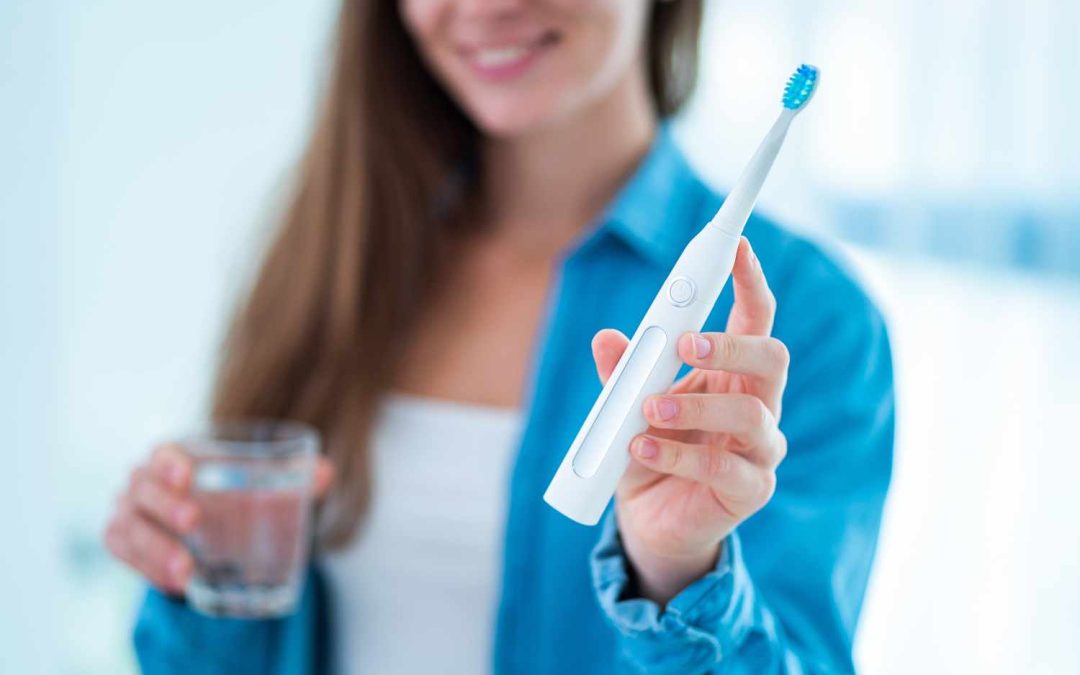
Electric toothbrushes use oscillating or rotating bristles to remove plaque more efficiently. Many models include built-in timers, ensuring you brush for the recommended two minutes. Pressure sensors alert you if you’re brushing too hard, preventing gum damage. Different cleaning modes cater to specific needs, such as sensitive teeth or gum care.
Electric toothbrushes can be particularly beneficial for individuals with limited hand mobility, such as those with arthritis or Parkinson’s disease. They also aid those wearing braces or undergoing orthodontic treatment like <a href=”https://www.centrasotadental.com/dental-implants.php“>dental implants</a>, as they can more effectively clean around brackets and healing sites.
When choosing an electric toothbrush, consider bristle type, brush head size, and battery life. Some models offer smart features, like Bluetooth connectivity, providing real-time feedback on your brushing habits. These features can help improve your brushing technique and ensure you’re cleaning all areas of your mouth effectively.
Choosing the Right Toothbrush for Your Needs
- Budget: Manual toothbrushes are more budget-friendly. Electric toothbrushes represent a larger initial investment but may save on dental costs long-term by improving cleaning.
- Ease of Use: Electric toothbrushes automate much of the brushing process, making them easier to use, especially for those with dexterity issues.
- Special Needs: Electric toothbrushes are often recommended for individuals with braces, implants, or limited mobility.
- Features: Electric toothbrushes come with advanced features like timers, pressure sensors, and smart connectivity.
Regardless of your choice, maintaining good oral hygiene involves more than just brushing. Regular flossing, a balanced diet, and consistent dental check-ups are equally important. For more information on general dental care, visit our general dentistry page.
Ultimately, the best toothbrush for you depends on your individual needs and preferences. If you have questions or want personalized advice, schedule a consultation with Centrasota Dental in St. Cloud. We’re committed to helping the St. Cloud community maintain optimal oral health. Contact us today to book your appointment.
Recent Comments