
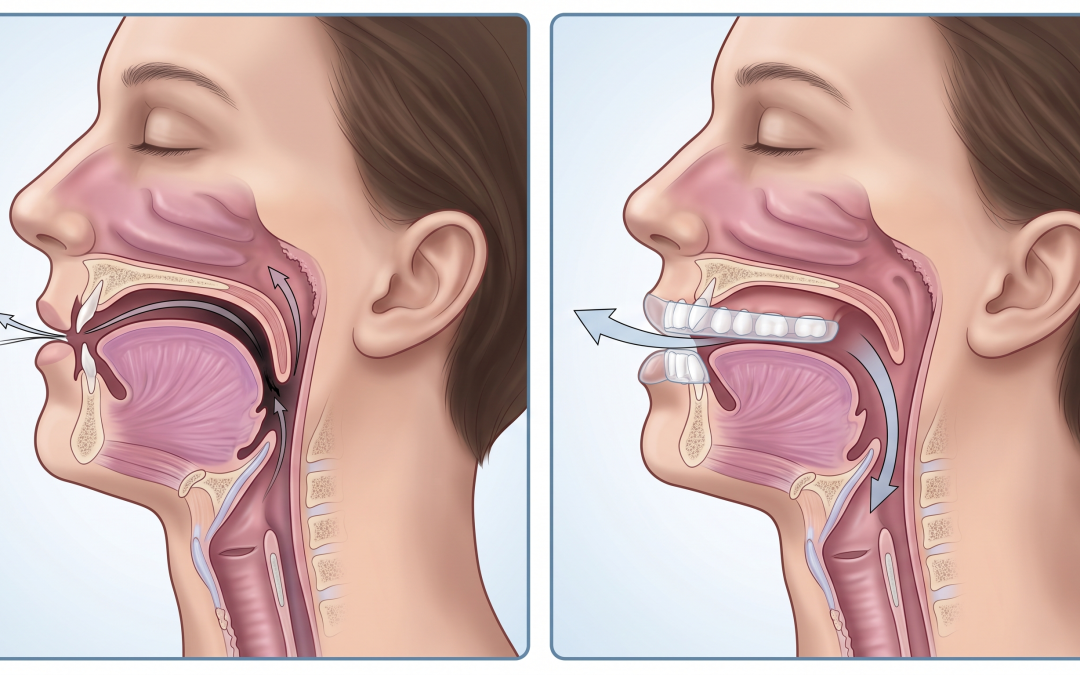
Sleep-disordered breathing ranges from benign snoring to severe obstructive sleep apnea (OSA), a condition where breathing repeatedly stops and starts during the night. These interruptions prevent the body from reaching the deep, restorative stages of sleep necessary for cognitive function and physical health. At Centrasota Dental, Dr. Robert Congdon utilizes his specialized training as a Prosthodontist to provide advanced oral appliance therapy. Our goal is to offer effective, non-invasive alternatives for patients seeking relief from sleep disturbances and the long-term health risks associated with untreated apnea.
Differentiating Between Snoring and Obstructive Sleep Apnea
While snoring is a common symptom of sleep apnea, the two are not identical. Snoring occurs when the soft tissues of the throat vibrate as air passes through a narrowed airway. Obstructive sleep apnea, however, involves the complete or partial collapse of the airway, leading to a drop in blood oxygen levels and a “micro-arousal” where the brain wakes the body up to resume breathing. Chronic, loud snoring followed by gasping or choking sounds is a primary indicator of OSA. Understanding this distinction is critical because while snoring may be a social nuisance, sleep apnea is a medical condition that requires clinical intervention.
Health Risks of Untreated Sleep Apnea
Ignoring the signs of sleep apnea can lead to severe systemic health complications. When the body is deprived of oxygen and forced into a state of stress every night, the cardiovascular system suffers. Research has linked untreated OSA to high blood pressure, heart disease, stroke, and Type 2 diabetes. Furthermore, the resulting daytime fatigue increases the risk of workplace accidents and motor vehicle crashes. By seeking treatment through general dentistry screening and specialist intervention, patients can significantly reduce these life-threatening risks.
The Role of the Dentist in Sleep Medicine
Dentists are often the first healthcare providers to identify the physical signs of sleep apnea. During a routine professional teeth cleaning or exam, Dr. Congdon evaluates the oral cavity for indicators such as a scalloped tongue, a narrow dental arch, or significant bruxism (teeth grinding). Many patients grind their teeth as the body’s natural response to keep the airway open during an apnea event. While a dentist does not provide the formal medical diagnosis, we play a vital role in screening patients and collaborating with sleep physicians to provide the necessary treatment.
Oral Appliance Therapy as a Primary Solution
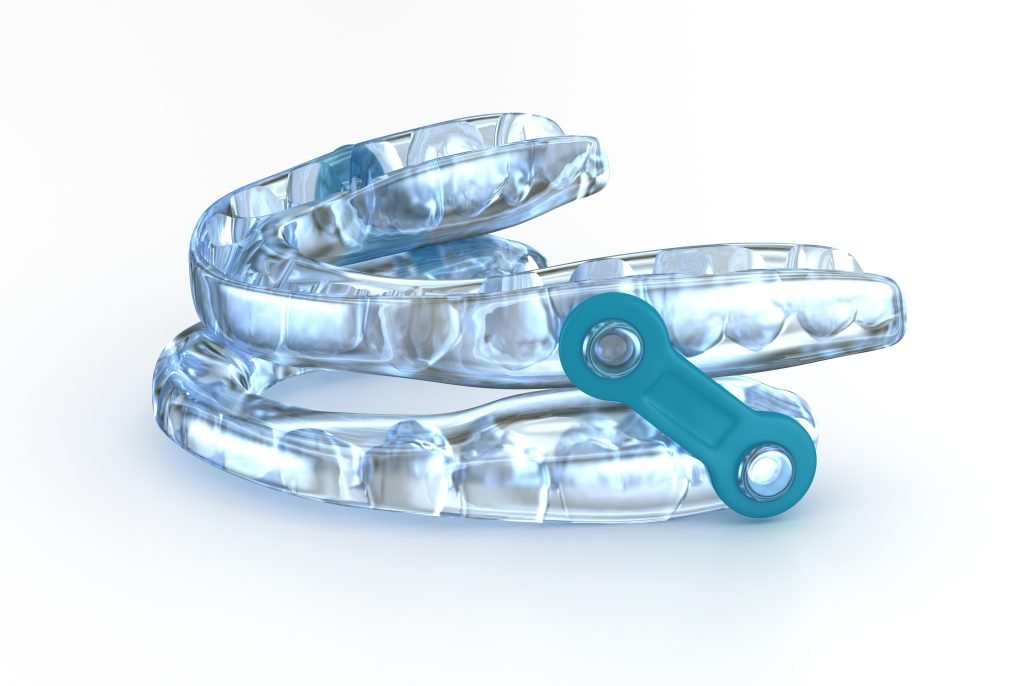
For many patients with mild to moderate obstructive sleep apnea, a custom-made oral appliance is the preferred method of treatment. These devices, often referred to as Mandibular Advancement Devices (MAD), are worn only during sleep. They work by gently repositioning the lower jaw and tongue forward, which increases the space in the back of the throat and prevents the airway from collapsing. This treatment is highly effective, non-invasive, and integrates seamlessly into a patient’s lifestyle.
Addressing CPAP Intolerance
The Continuous Positive Airway Pressure (CPAP) machine is a standard treatment for sleep apnea, but many patients find it difficult to tolerate. Issues such as mask claustrophobia, nasal dryness, noise, and the difficulty of traveling with a machine lead to high rates of non-compliance. Oral appliance therapy is a proven alternative for those who are CPAP intolerant. Because the appliances are small, silent, and do not require electricity, patients are much more likely to use them consistently, which is the most important factor in successful treatment.
Mandibular Advancement Devices (MAD) and Customization
Not all oral appliances are created equal. Over-the-counter “boil-and-bite” mouthguards are often ineffective and can cause permanent damage to the bite or jaw joint. At Centrasota Dental, we use dental technology to create custom-fit devices like the EMA or SomnoDent appliances. These are “titratable,” meaning they can be finely adjusted over time to find the exact position that keeps the airway open while maintaining maximum comfort for the teeth and jaw.
Home Sleep Testing and the Diagnostic Process
The path to better sleep begins with an accurate diagnosis. We often recommend a Home Sleep Test (HST) for patients exhibiting symptoms of apnea. An HST allows you to sleep in your own bed while a small device monitors your heart rate, oxygen levels, and breathing patterns. The data from this test is reviewed by a board-certified sleep physician who provides the formal diagnosis. Once diagnosed, Dr. Congdon can begin the process of fabricating your custom oral appliance.
Effectiveness and Long-Term Success
Clinical studies indicate that oral appliance therapy is highly effective at reducing the Number of apnea events per hour (AHI) and improving daytime alertness. The success of the treatment relies on the precision of the fit and the durability of the materials. Because Dr. Congdon is an expert in dental crowns and complex restorations, he ensures that the appliance does not negatively impact your existing dental work or your occlusion (bite) over long-term use.
Navigating Medical Insurance and Medicare
Treating sleep apnea is considered a medical necessity rather than a traditional dental procedure. Therefore, coverage for oral appliance therapy typically falls under medical insurance rather than dental insurance. Our team is experienced in working with medical carriers to help patients maximize their benefits. We also understand the requirements for Medicare-approved appliances, ensuring that our senior patients in the St. Cloud area have access to the care they need.
Collaborative Care with Medical Partners
Effective sleep apnea treatment requires a team-based approach. We maintain strong partnerships with local sleep laboratories and physicians in Sartell, Waite Park, and Sauk Rapids. This collaboration ensures that your treatment is medically sound and that follow-up sleep studies are conducted to verify that your oral appliance is working as intended. If you are ready to address your snoring or sleep apnea, we invite you to contact us for a consultation.
Centrasota Dental 3950 Veterans Dr, Suite 101
St. Cloud, MN 56303
320-252-3330
Recent Comments