
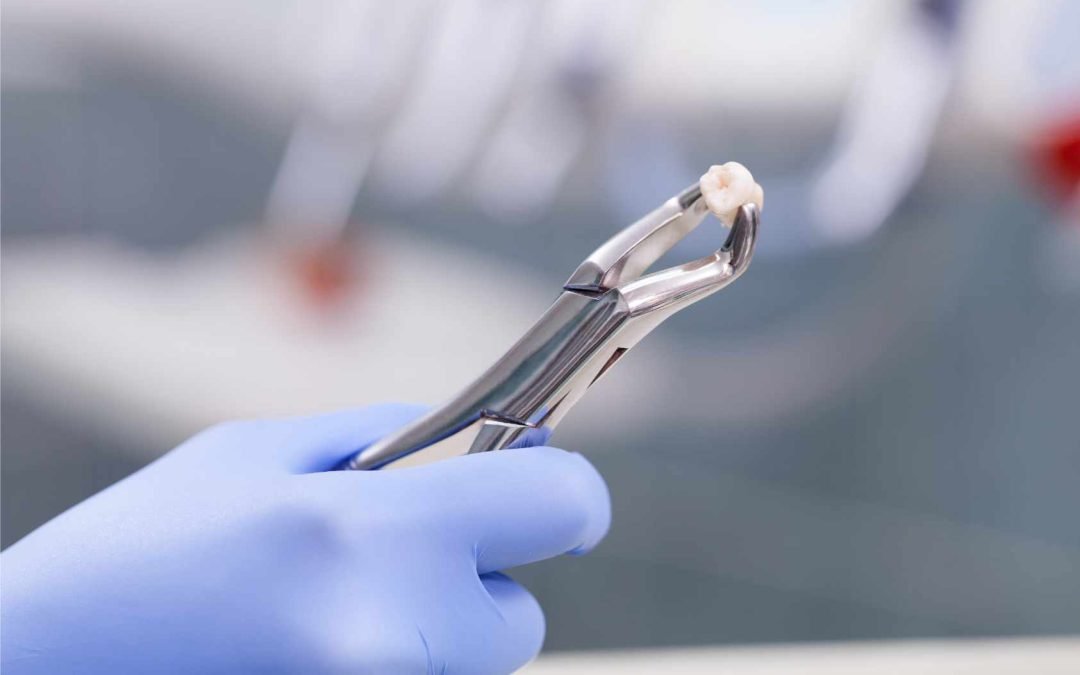
Losing a tooth can affect everything from your ability to chew comfortably to your confidence when smiling. Fortunately, as the prosthodontist for the St. Cloud area, Dr. Congdon and the team at Centrasota Dental offer advanced solutions for tooth replacement. When patients search for a durable, lasting fix, the choice often comes down to two excellent restorative options: dental bridges and dental implants.
Choosing the right option is a critical decision. Since Dr. Congdon specializes in complex restorations, he is uniquely qualified to assess your oral structure and guide you toward the best solution for your long-term health and lifestyle.
- Quick Summary: Dental implants offer a permanent, standalone tooth root replacement, while dental bridges replace the missing tooth by anchoring to adjacent natural teeth.
- Dental implants provide superior bone health and longevity.
- Dental bridges offer a less invasive, faster treatment timeline.
- The best choice depends on bone density, number of missing teeth, and budget.
- Prosthodontic expertise is essential for both solutions.
Table of Contents
- The Fundamentals of Dental Implants
- The Fundamentals of Dental Bridges
- Key Differences: Implants vs. Bridges
- Making Your Tooth Replacement Decision
- Why Choose a Prosthodontist for Restoration
The Fundamentals of Dental Implants
Dental implants are considered the gold standard for tooth replacement. An implant consists of a metal cylinder, typically made of titanium, that is surgically placed into the jawbone beneath the gum line. This implant fuses with the bone, replacing the root of the missing tooth. A custom-designed dental crown is then attached to the implant post.
Because the implant integrates with the jawbone, it provides unmatched stability and security. Furthermore, it stimulates the jawbone, preventing the bone loss (resorption) that naturally occurs after a tooth is lost. This is a crucial benefit for maintaining facial structure and the health of remaining teeth.
The Fundamentals of Dental Bridges
A dental bridge is a non-removable solution that has been successful for many years. It literally “bridges” the gap created by one or more missing teeth. A fixed bridge works by placing dental crowns on the natural teeth on both sides of the gap (these are called abutment teeth). A false tooth, called a pontic, is attached to these crowns, and the entire unit is cemented permanently into place.
Bridges are a reliable solution that restore chewing function and a natural appearance quickly. They are excellent alternatives when adjacent teeth already require crowns or when implant placement isn’t feasible due to health constraints.
Key Differences: Implants vs. Bridges
When patients in the St. Cloud area are deciding between the two, this comparison helps highlight the main functional and structural differences:
| Feature | Dental Implants | Dental Bridges |
| Support | Self-supported; replaces the tooth root. | Supported by grinding down and crowning adjacent healthy teeth. |
| Jawbone Health | Preserves jawbone structure and prevents bone loss. | Does not stimulate the jawbone; bone loss may continue underneath. |
| Maintenance | Cared for like a natural tooth (brushing and flossing). | Requires special flossers or aids to clean beneath the pontic. |
| Longevity | Can last a lifetime with proper care. | Typically last 10–15 years before replacement is needed. |
| Invasiveness | Requires minor surgery for placement. | Less invasive, but requires altering adjacent healthy teeth. |
Making Your Tooth Replacement Decision
Finding your best tooth replacement option depends entirely on your specific circumstances.
- Implants are usually recommended if: You have sufficient healthy jawbone, wish to preserve the health of adjacent natural teeth, and desire the most permanent and longest-lasting solution. While the initial dental implants prices in St. Cloud may be higher, their longevity often makes them the most cost-effective long-term choice.
- Bridges are usually recommended if: The adjacent teeth already require crowns or extensive restoration, if you are looking for a quicker treatment timeline, or if certain health conditions preclude implant surgery.
The comprehensive prosthodontic evaluation performed by Dr. Congdon is vital. He will thoroughly assess your bone density, gum health, and overall oral structure using advanced tools to recommend the solution that will maximize function and esthetics.
Why Choose a Prosthodontist for Restoration
Whether you ultimately receive a dental bridge or a dental implant, choosing a prosthodontist ensures the highest level of specialized restorative care. Dr. Congdon’s additional years of training mean he is an expert in the mechanics of your bite, the art of cosmetic dentistry, and the complex planning required for durable, long-term replacements. This expertise is your assurance that your chosen replacement will look and feel just like a natural tooth.
Don’t let missing teeth affect your quality of life. We invite you to schedule a consultation with the restorative expert at Centrasota Dental. Contact us today to explore the best dental bridges vs. dental implants solution for you.
Recent Comments