
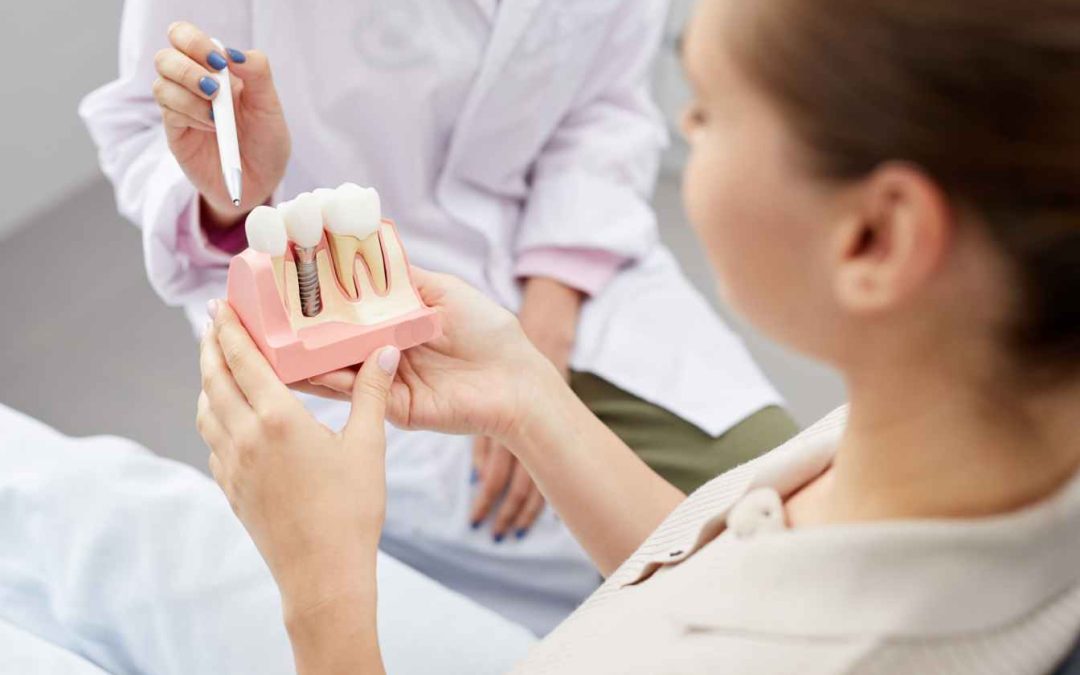
Dental implants are a highly favored and effective solution for replacing missing teeth, offering patients in St. Cloud a durable, stable, and aesthetically pleasing alternative to traditional dentures or bridges. At Centrasota Dental, we recognize that achieving the full benefits of dental implants hinges on proper aftercare. This guide provides a detailed look at the healing process and essential instructions for a smooth recovery, ensuring the longevity of your implants.
Understanding the Stages of Dental Implant Healing
The journey to a fully integrated dental implant involves several distinct healing phases. Immediately following the surgical procedure, patients can anticipate some degree of swelling, discomfort, and minor bleeding. These are normal and expected responses as the body begins the healing process.
The next, and arguably most critical, phase is osseointegration. This refers to the biological process by which the titanium implant post fuses directly with the jawbone. This process provides the unparalleled stability and support that makes dental implants so successful. It is not immediate and typically ranges from three to six months. Factors such as bone density and individual healing capabilities can influence the duration of osseointegration.
Essential Aftercare for Optimal Healing and Longevity
To facilitate a smooth and successful recovery after dental implant surgery, adhering to these aftercare guidelines is paramount:
Managing Pain and Swelling
Effective pain management is a priority during the initial healing period. Follow your dentist’s instructions precisely regarding any prescribed pain medication. If you experience swelling after dental implant surgery, applying ice packs to the outside of your face can help reduce it, particularly during the first 24 to 48 hours. Use a schedule of 20 minutes on and 20 minutes off to maximize the benefits.
What to Eat After Dental Implant Surgery
Maintaining proper nutrition is important, but it’s equally crucial to avoid putting excessive stress on the implant site. For the first few days, and possibly longer, your diet should consist primarily of soft foods.
Recommended foods include:
- Soups (warm, not hot)
- Yogurt and smoothies
- Mashed potatoes and other soft vegetables
- Scrambled eggs
- Soft fish
As healing progresses, you can gradually reintroduce more solid foods, but avoid hard, crunchy, or chewy items until your dentist gives you the green light to resume your normal diet.
How to Clean Your Dental Implants
Maintaining meticulous oral hygiene is crucial, but it requires a gentle approach. Starting the day after surgery, gently rinse your mouth with warm salt water several times a day. This helps keep the area clean and promotes healing. Avoid vigorous rinsing or spitting, as these actions can dislodge blood clots.
- During the initial healing period: Brush your teeth carefully, being very gentle around the implant site.
- Long-term care: Once the area has healed, treat your implant as a natural tooth. Brush and floss daily, paying close attention to the area around the implant, as plaque can still accumulate there. Regular professional teeth cleanings are also essential for long-term success.
Recent Comments