
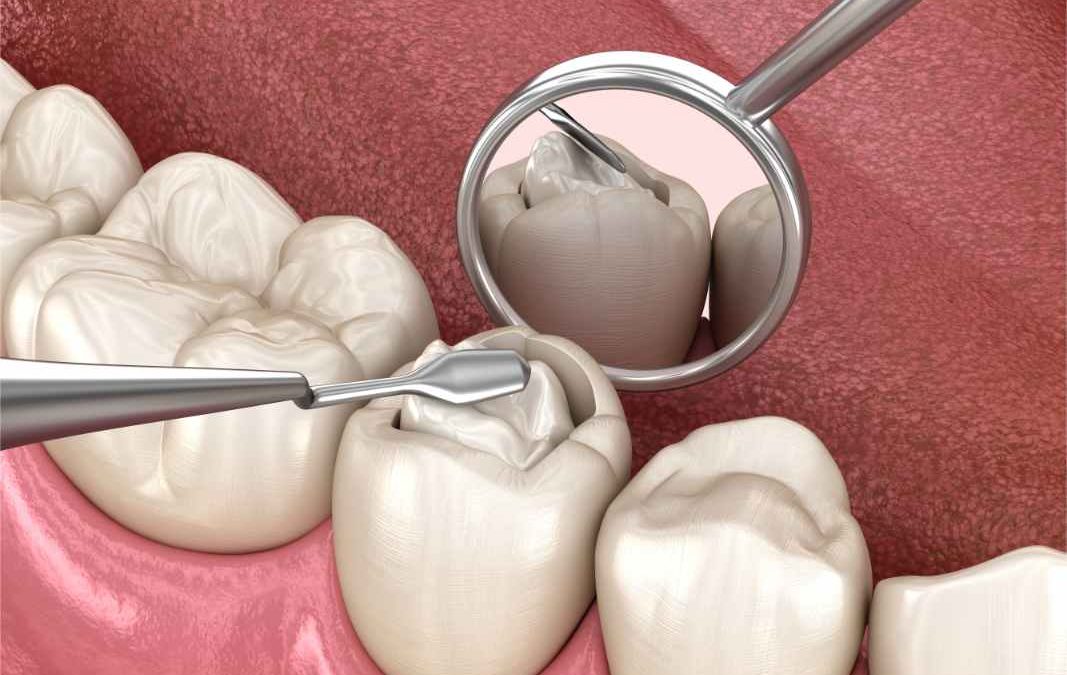
Tooth decay, the underlying cause of cavities, is a common dental concern that affects many individuals in the St. Cloud area. At Centrasota Dental, we believe that empowering our patients with a thorough understanding of how tooth decay develops, along with effective prevention and treatment strategies, is essential for maintaining optimal oral health and a confident smile.
Understanding Tooth Decay: A Step-by-Step Breakdown
Tooth decay is a progressive process that involves the destruction of your tooth enamel, the hard, protective outer layer of your teeth. This destruction is caused by acids produced by bacteria that reside in plaque, a sticky film that constantly forms on your teeth. Let’s delve into a more detailed explanation of this process:
The Persistent Formation of Plaque:
- Plaque is a tenacious, colorless film that adheres to your teeth. It’s composed of bacteria, saliva, and food debris. Plaque is constantly forming, even after you brush and floss, which is why consistent oral hygiene is so crucial.
The Role of Sugar and Carbohydrates:
- When you consume sugary or starchy foods and drinks, the bacteria in plaque feast on these carbohydrates. This includes not only obvious sugars like candy and soda but also starches found in bread, pasta, and potatoes.
The Harmful Production of Acids:
- As the bacteria in plaque metabolize these sugars and starches, they produce acids as a byproduct. These acids are the primary culprits in tooth decay, as they are capable of dissolving the minerals that make up your tooth enamel.
The Gradual Erosion of Enamel:
- With repeated acid attacks, your tooth enamel begins to weaken and erode. Initially, this erosion may be microscopic and unnoticeable. However, as the process continues, it leads to the formation of a hole or pit in the enamel, which we recognize as a cavity.
Identifying the Factors That Increase Your Risk
While tooth decay can affect anyone, several factors can increase your susceptibility:
- Inadequate Oral Hygiene Practices:
Insufficient or ineffective brushing and flossing allow plaque to accumulate on your teeth, providing the bacteria with a breeding ground to thrive and produce harmful acids. Neglecting to remove plaque regularly significantly increases your risk. - A Diet High in Sugar and Acid:
Frequent consumption of sugary snacks, candies, sodas, and other sugary drinks provides a constant source of fuel for the bacteria in plaque, leading to increased acid production. Acidic foods and drinks, such as citrus fruits, tomatoes, and carbonated beverages, can also directly erode your enamel, further contributing to tooth decay. - The Impact of Dry Mouth:
Saliva plays a vital role in protecting your teeth. It helps to neutralize acids, wash away food particles, and contains minerals that can help repair enamel. Reduced saliva flow, a condition known as dry mouth, deprives your teeth of these natural defenses, increasing your risk of decay. Dry mouth can be caused by certain medications, medical conditions, or aging. - The Protective Power of Fluoride:
Fluoride is a mineral that strengthens tooth enamel and makes it more resistant to acid attacks. Using fluoride toothpaste and mouthwash, and receiving professional fluoride treatments, can significantly reduce your risk of tooth decay. - Age as a Risk Factor:
Both children and older adults are at an increased risk of tooth decay. Children may struggle with consistent brushing and flossing, while older adults may experience dry mouth, receding gums, and other age-related dental changes that make them more vulnerable.
Recognizing the Warning Signs of Tooth Decay
In its early stages, tooth decay often doesn’t cause any noticeable symptoms. This is why regular dental check-ups are so important, as your dentist can detect early decay before it progresses. However, as tooth decay advances, you may begin to experience:
- Toothache or Sensitivity:
Pain or sensitivity when eating or drinking hot, cold, or sweet foods and drinks is a common symptom of tooth decay. This occurs as the decay erodes the enamel and exposes the sensitive dentin layer underneath. - Visible Holes or Pits:
As the decay progresses, you may be able to see visible holes or pits on the surface of your teeth. These are signs of significant enamel loss and require prompt dental treatment. - Staining on the Teeth:
Brown or black stains on your teeth can indicate tooth decay. These stains are often caused by the breakdown of tooth structure and the accumulation of bacteria.
If you notice any of these symptoms, it’s crucial to schedule an appointment with a dentist in St. Cloud as soon as possible. Early detection and treatment can prevent more serious complications and preserve your tooth.
Treatment Options for Cavities Available in St. Cloud
The treatment for cavities varies depending on the extent of the decay:
- Fluoride Treatments: Reversing Early Decay:
In the very earliest stages of tooth decay, when the enamel has just begun to erode, fluoride treatments can sometimes help to reverse the process. Fluoride can remineralize the enamel, strengthening it and making it more resistant to further acid attacks. - Dental Fillings: Restoring Damaged Teeth:
Dental fillings are the most common treatment for cavities. During the filling procedure, the decayed portion of the tooth is carefully removed, and the resulting hole is filled with a restorative material. Common filling materials include composite resin (a tooth-colored material) and amalgam (a silver-colored material). The choice of material depends on factors such as the location and size of the cavity, aesthetic considerations, and cost. - Dental Crowns: Providing Comprehensive Protection:
For teeth with more extensive decay, where a filling would not provide sufficient support, a dental crown may be necessary. A crown is a tooth-shaped cap that covers the entire visible portion of the tooth, providing strength, protection, and restoring its shape and function. You can find more detailed information about dental crowns on our website. - Root Canal Therapy: Saving Infected Teeth:
If the tooth decay reaches the pulp, the soft inner tissue of the tooth containing nerves and blood vessels, it can cause infection and inflammation. In these cases, root canal therapy is necessary to remove the infected pulp, clean the inside of the tooth, and seal it to prevent further infection.
Your Proactive Strategy for Preventing Tooth Decay
Prevention is always the best approach when it comes to tooth decay. By adopting a proactive approach to oral hygiene, you can significantly reduce your risk of developing cavities:
- Consistent Brushing Habits:
Brush your teeth at least twice a day, using fluoride toothpaste. Pay close attention to brushing all surfaces of your teeth, including the outer, inner, and chewing surfaces. Use a soft-bristled toothbrush and gentle, circular motions to avoid damaging your gums. - Daily Flossing Routine:
Flossing is essential for removing plaque and food particles from between your teeth, where your toothbrush can’t reach. Floss at least once a day, preferably before bed, to prevent plaque from hardening into tartar. - Smart Dietary Choices:
Limit your consumption of sugary snacks, candies, sodas, and other sugary drinks. Reduce your intake of acidic foods and drinks, such as citrus fruits, tomatoes, and carbonated beverages. Choose water and unsweetened beverages whenever possible. - The Benefits of Fluoride:
Use fluoride toothpaste and consider using a fluoride mouthwash to further strengthen your tooth enamel. Your dentist may also recommend professional fluoride treatments, especially if you’re at a higher risk of tooth decay. - Regular Dental Check-ups and Cleanings:
Schedule regular dental check-ups and cleanings at Centrasota Dental. These visits allow your dentist to detect early signs of tooth decay, provide professional cleanings to remove plaque and tartar, and offer personalized advice on maintaining your oral health.
At Centrasota Dental, we are deeply committed to partnering with the St. Cloud community to promote and maintain optimal oral health. We understand the impact that a healthy smile can have on your overall well-being and confidence. If you have any concerns about tooth decay, are experiencing any symptoms, or simply wish to schedule a routine dental appointment, please don’t hesitate to contact us. Our team is dedicated to providing comprehensive dental care and unwavering support to help you achieve and maintain a healthy, beautiful smile for a lifetime.
Recent Comments