
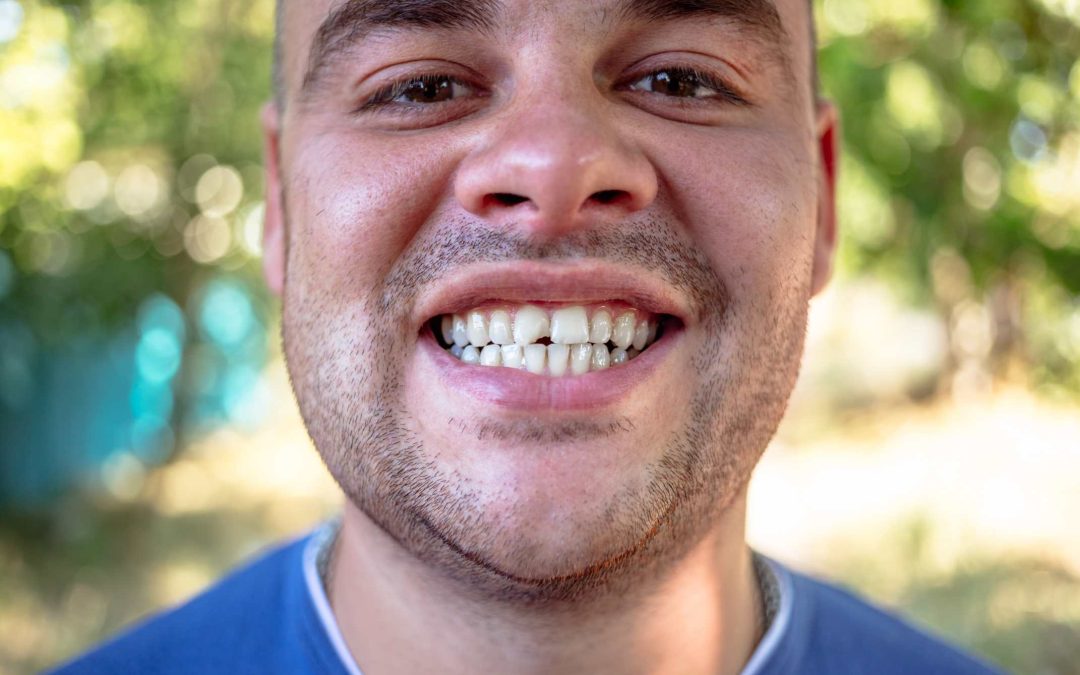
Chipped or cracked teeth are among the most common dental emergencies, affecting people of all ages. Whether it’s from an accident, biting down on something too hard, or long-term wear and tear, a damaged tooth can be both painful and concerning. Even minor chips can compromise the strength and appearance of a tooth, while deeper cracks may lead to sensitivity, infection, or even tooth loss if left untreated. Immediate treatment is crucial to prevent further damage and restore both function and aesthetics. Understanding the causes, symptoms, and treatment options can help protect your smile and prevent future issues.
What Causes Chipped or Cracked Teeth?
Teeth are strong, but they aren’t indestructible. Everyday habits and unexpected trauma can lead to chips and fractures, some more serious than others. One of the most common causes is biting down on hard foods, such as ice, nuts, hard candy, or unpopped popcorn kernels. These foods place excessive force on teeth, increasing the risk of cracking, especially if the tooth is already weakened.
Accidents and sports injuries are another leading cause of chipped and cracked teeth. A fall, a collision, or getting hit in the mouth during contact sports can cause sudden trauma, breaking or fracturing a tooth. Wearing a mouthguard during high-impact activities is essential in reducing the risk of dental injuries.
Teeth grinding, also known as bruxism, is another culprit. Chronic grinding or clenching, especially at night, puts excessive pressure on teeth, weakening the enamel and making them more susceptible to fractures. Many people don’t realize they grind their teeth until they experience sensitivity, pain, or visible cracks.
Weakened enamel from decay, acid erosion, or large fillings can also increase the likelihood of chipping or cracking. Teeth with existing restorations, especially older fillings or crowns, may become brittle over time, making them more prone to damage.
Signs You Have a Chipped or Cracked Tooth
Not all cracks or chips are immediately visible, but certain symptoms indicate a problem. A sharp, sudden pain when biting down can be a sign of a cracked tooth, particularly if the pain comes and goes. Sensitivity to hot, cold, or sweet foods is another common symptom, as exposed inner layers of the tooth react to temperature changes.
In some cases, visible damage is apparent, such as a missing piece of the tooth or a rough, jagged edge that can irritate the tongue or cheeks. Hairline cracks may be harder to spot, but they can still cause discomfort. If you suspect a chipped or cracked tooth, it’s important to seek dental care as soon as possible to prevent further complications.
Treatment Options
The treatment for a chipped or cracked tooth depends on the severity of the damage. For minor chips, dental bonding is a quick and effective solution. A tooth-colored resin is applied to the damaged area and shaped to blend in naturally, restoring both appearance and function.
For more extensive cosmetic concerns, veneers may be an ideal option. Veneers are thin porcelain shells custom-made to cover the front surface of teeth, providing a long-lasting and aesthetically pleasing solution for minor chips and fractures.
When a crack extends deeper into the tooth structure, a dental crown is often recommended. Crowns provide full coverage, reinforcing the tooth and preventing further damage. They are especially useful for teeth that have suffered significant wear or have large cracks.
If the crack reaches the inner pulp of the tooth, a root canal may be necessary to remove infected or damaged tissue before placing a crown. While the idea of a root canal can be intimidating, modern techniques make the procedure virtually painless and highly effective at saving a damaged tooth.
In cases where a tooth is severely fractured beyond repair, extraction may be the only option. If removal is necessary, replacement options such as dental implants or bridges can restore function and aesthetics, ensuring a healthy and complete smile.
How to Prevent Chipped or Cracked Teeth
Preventing tooth damage starts with simple daily habits. If you play contact sports or participate in high-impact activities, wearing a custom-fitted mouthguard can significantly reduce the risk of trauma-related fractures. Mouthguards provide cushioning to absorb impact, protecting both teeth and soft tissues in the mouth.
Avoiding hard foods, ice, and habits like chewing on pens or fingernails can help prevent unnecessary strain on teeth. Being mindful of what you bite into—especially if you have existing dental restorations—can minimize the risk of accidental chipping.
For those who grind their teeth, wearing a nightguard while sleeping can help protect against excessive pressure that leads to fractures. Identifying and addressing bruxism early can prevent not only cracked teeth but also jaw pain and enamel wear.
Maintaining regular dental checkups allows your dentist to identify early signs of weakened enamel, small cracks, or existing damage before it worsens. Early intervention can often prevent the need for more extensive treatments.
Chipped or cracked teeth are not only uncomfortable but can also lead to more serious dental problems if left untreated. Whether the damage is minor or severe, seeking professional care promptly can restore the strength, function, and aesthetics of your smile. At Centrasota Dental, we offer a range of treatments to repair chipped and cracked teeth, ensuring long-term oral health and confidence in your smile. If you’ve experienced a dental injury or are dealing with tooth pain, don’t wait—schedule an appointment today to explore your treatment options and protect your smile for the future.
Recent Comments