
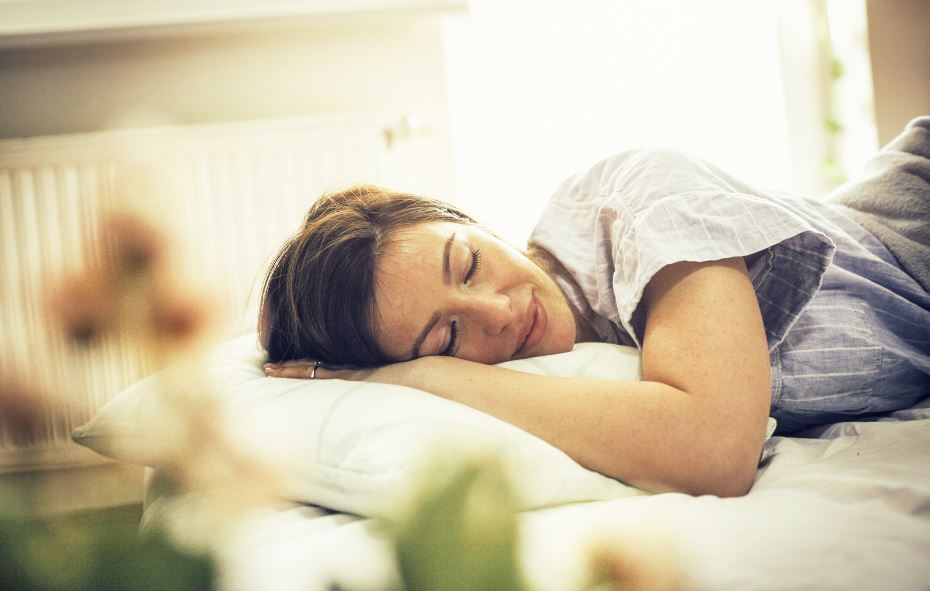
At Centrasota Dental, we understand that good oral health isn’t just about having clean teeth—it’s about caring for your whole body. One area where your oral health and overall health connect is sleep apnea, a sleep disorder that affects millions of people. You may be surprised to learn that your dentist can play a role in identifying and even helping to manage this condition. Let’s explore how sleep apnea impacts your dental health and what we can do to help.
What Is Sleep Apnea?
Sleep apnea is a serious sleep disorder where breathing repeatedly stops and starts during sleep. These pauses in breathing can last for 10 seconds or more, and they disrupt your sleep, leaving you feeling tired and groggy during the day. The most common form of sleep apnea, obstructive sleep apnea (OSA), occurs when the muscles at the back of your throat relax too much, narrowing or blocking the airway.
While you may not be aware of waking up during the night, sleep apnea can leave you feeling fatigued, irritable, and unfocused during the day. Common symptoms include:
- Loud snoring
- Gasping or choking while sleeping
- Morning headaches
- Dry mouth or sore throat upon waking
- Daytime sleepiness
The Connection Between Sleep Apnea and Your Oral Health
You may wonder what sleep apnea has to do with dental care, but the link between the two is stronger than you think. Since sleep apnea often involves the soft tissues in the mouth and throat, your dentist is in a unique position to identify potential signs of the disorder.
Bruxism (Teeth Grinding)
Bruxism, or teeth grinding, is common among people with sleep apnea. It’s believed that as your airway becomes blocked during sleep, your body reacts by clenching the jaw to help open the airway. Over time, this grinding can wear down your teeth and lead to other problems such as jaw pain, headaches, and damage to dental work. At Centrasota Dental, we often notice the signs of bruxism during routine checkups, such as worn tooth surfaces or cracked teeth.
Dry Mouth and Tooth Decay
People with sleep apnea often breathe through their mouth at night, which can lead to dry mouth. Saliva plays an important role in washing away food particles and bacteria that cause cavities, so when the mouth is dry, the risk of tooth decay and gum disease increases. Chronic dry mouth also contributes to bad breath and the growth of harmful bacteria.
Temporomandibular Joint Disorders (TMJ)
Another condition often linked to sleep apnea is temporomandibular joint (TMJ) disorder, which affects the joints and muscles that allow your jaw to move. TMJ disorder can cause pain, stiffness, and clicking sounds in the jaw, and it is often aggravated by teeth grinding or clenching, both of which are common in people with sleep apnea.
How Centrasota Dental Can Help
If you suspect you may have sleep apnea, it’s important to mention your symptoms during your next visit. At Centrasota Dental, we’ll carefully examine your mouth, teeth, and jaw for any signs that might indicate a sleep disorder. We’ll also review your medical history and discuss any symptoms you’ve been experiencing, such as snoring or morning headaches.
Oral Appliance Therapy
One of the treatment options for mild to moderate sleep apnea is oral appliance therapy (OAT). These custom-made devices, which are similar to mouthguards, are worn while sleeping and work by repositioning the lower jaw and tongue to help keep your airway open. Oral appliances are an excellent option for people who find it difficult to tolerate a continuous positive airway pressure (CPAP) machine or want a more comfortable solution. We will work with your sleep specialist to determine if this treatment is right for you.
Treating the Symptoms
For patients with sleep apnea-related bruxism, we can offer custom nightguards to protect your teeth from grinding. If dry mouth is a problem, we can recommend special mouthwashes and treatments that help stimulate saliva production and keep your mouth hydrated.
Taking a Proactive Approach to Sleep Apnea
Early detection is key to managing sleep apnea and preventing its harmful effects on your oral health. If you’ve noticed any of the symptoms we’ve discussed, or if you’ve been diagnosed with sleep apnea, be sure to bring it up during your next dental appointment. At Centrasota Dental, we’re here to help you maintain not only a healthy smile but also your overall well-being.
Regular dental checkups, good oral hygiene, and timely interventions can make a big difference in your health—day and night.
Let us know if you’re experiencing any signs of sleep apnea or want more information about our treatment options. Together, we can work toward a healthier, more restful sleep!
Recent Comments