Cosmetic Dentistry in St. Cloud

Dental Bridges

Missing teeth can significantly impact your oral health, functionality, and appearance. At Centrasota Dental, we offer dental bridges as an effective solution to restore your smile and improve your overall dental health. Dental bridges are designed to fill the gaps left by missing teeth, providing both functional and aesthetic benefits.
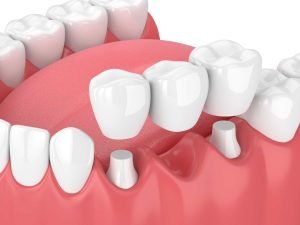
dental bridges at centrasota dental

What are Dental Bridges?

A dental bridge is a fixed dental prosthesis used to replace one or more missing teeth by anchoring to the adjacent natural teeth or dental implants. The bridge consists of one or more artificial teeth, known as pontics, which are held in place by crowns attached to the surrounding teeth. This creates a seamless appearance and restores the natural function of your teeth.


Types of Dental Bridges

There are several types of dental bridges available, each suited to different dental needs and preferences. The most common types include:

Traditional Bridges: Traditional bridges involve creating a crown for the tooth or implant on either side of the missing tooth, with a pontic in between. They are the most commonly used type of bridge and are suitable for patients with natural teeth on both sides of the gap.

Cantilever Bridges: These bridges are used when there is an adjacent tooth on only one side of the missing tooth or teeth. Cantilever bridges are less common and typically used in areas of the mouth that are under less stress.

Maryland Bridges: Also known as resin-bonded bridges, Maryland bridges use a metal or porcelain framework bonded to the back of the adjacent teeth. This type of bridge is less invasive as it does not require the adjacent teeth to be crowned.

Implant-Supported Bridges: These bridges are supported by dental implants rather than natural teeth. They are an excellent option for patients who have multiple missing teeth and want a durable and long-lasting solution.


The Dental Bridge Procedure

The process of getting a dental bridge typically involves multiple visits. During the initial consultation, Dr. Congdon will examine your mouth and take X-rays to determine the best type of bridge for your situation. If necessary, the adjacent teeth will be prepared by removing a portion of the enamel to make room for the crowns.

Next, impressions of your teeth are taken to create a custom bridge that fits perfectly. A temporary bridge may be placed to protect the prepared teeth and gums while your permanent bridge is being made. In your subsequent visit, the temporary bridge is removed, and the new bridge is checked for fit and comfort. Once the bridge is adjusted to ensure a proper fit, it is permanently cemented in place.


Benefits of Dental Bridges

Dental bridges offer numerous benefits. They restore the ability to chew and speak properly, which can be affected by missing teeth. Bridges also help maintain the shape of your face and prevent the remaining teeth from shifting out of position. Additionally, dental bridges can improve your smile’s appearance, boosting your confidence and self-esteem.


Aftercare for Dental Bridges

Proper care is essential to ensure the longevity of your dental bridge. Maintain good oral hygiene by brushing twice a day and flossing daily to prevent decay and gum disease. It’s important to clean under the pontic using a special floss or an interdental brush to remove food particles and plaque. Avoid chewing on hard objects like ice or pens, which can damage the bridge. Regular dental checkups are crucial to monitor the health of your bridge and surrounding teeth. During these visits, we will examine the condition of your bridge and provide any necessary maintenance.


Contact Us

If you have any questions about dental bridges or wish to schedule a consultation, please contact Centrasota Dental. Our team is dedicated to providing high-quality dental care and helping you achieve a healthy, beautiful smile.

Dental Bridges Questions

What is a dental bridge, and how does it work?
At Centrasota Dental, a dental bridge is a fixed dental appliance that we use to replace one or more missing teeth. It works by filling the gap left by missing teeth, restoring both function and aesthetics to your smile. The bridge itself consists of one or more artificial teeth, known as pontics, which are secured by crowns placed on the surrounding natural teeth or dental implants. This setup allows the bridge to stay in place securely, enabling you to chew and speak comfortably, just as you would with natural teeth. Dental bridges are custom-made to match the color, shape, and size of your natural teeth, so they blend seamlessly into your smile.
How long do dental bridges last?
With proper care, a dental bridge can last anywhere from 5 to 15 years or even longer. At Centrasota Dental, we emphasize the importance of good oral hygiene practices, such as brushing and flossing, especially around the bridge. Regular dental check-ups allow us to assess the condition of the bridge and make any necessary adjustments. By following our care guidelines and avoiding habits like chewing on hard objects, you can maximize the longevity of your dental bridge and enjoy a functional, attractive smile for years.
What are the different types of dental bridges?
We offer several types of dental bridges at Centrasota Dental to suit various needs. These include:

Traditional Bridges: These involve creating crowns for the teeth on both sides of the gap. This is the most common type and provides a sturdy, reliable solution for patients with healthy teeth adjacent to the missing ones.

Cantilever Bridges: Used when there is only one adjacent tooth on one side of the missing tooth. Cantilever bridges are typically suited for areas with less chewing pressure.

Maryland Bridges: Also called resin-bonded bridges, these use a framework attached to the back of the adjacent teeth. They are less invasive but usually best for front teeth where there’s less biting force.

Implant-Supported Bridges: These are supported by dental implants rather than natural teeth, providing a durable solution for patients with multiple missing teeth in a row.

How much does a dental bridge cost?
The cost of a dental bridge at Centrasota Dental can vary based on factors like the type of bridge, the number of missing teeth, and the materials used. Generally, the cost can range from $1,500 to $5,000 per bridge, depending on these variables. We’ll discuss all cost factors during your consultation, including insurance coverage and available payment plans, to help make your dental bridge treatment as affordable as possible.
Is getting a dental bridge painful?
The process of getting a dental bridge is typically not painful. At Centrasota Dental, we use local anesthesia to ensure you are comfortable while preparing the surrounding teeth and taking impressions. You might experience some sensitivity or mild discomfort afterward, but this can usually be managed with over-the-counter pain relief. If you’re anxious about the procedure, let us know, and we’ll make accommodations to ensure your comfort throughout the process.
What is the process for getting a dental bridge?
The process generally involves two visits. During the first visit, we prepare the surrounding teeth by reshaping them to fit the crowns that will hold the bridge in place. We then take impressions to create a custom bridge that will fit seamlessly. A temporary bridge is placed to protect your teeth and gums while the permanent bridge is made. At the second visit, we remove the temporary bridge and place the permanent one, checking the fit and making any necessary adjustments before cementing it in place.
What are the pros and cons of dental bridges?
Dental bridges have many benefits. They restore your ability to chew and speak, prevent neighboring teeth from shifting, maintain your facial structure, and improve your smile. However, some downsides include the need to reshape surrounding teeth, potential for decay under the crowns if not cared for properly, and eventual need for replacement. At Centrasota Dental, we work with you to weigh these factors based on your specific dental health needs.
Can you eat normally with a dental bridge?
Yes, once your dental bridge is in place and you’ve adjusted to it, you should be able to eat normally. In the initial days, we recommend soft foods as you get used to the bridge. Over time, you’ll regain the ability to chew most foods without discomfort. Just be cautious with very sticky or hard foods to prevent damaging the bridge.
How do dental bridges compare to dental implants?
Both dental bridges and implants replace missing teeth, but there are key differences. Bridges rely on adjacent teeth for support, while implants are directly anchored into the jawbone. Implants generally last longer and preserve bone health, but they require surgery and a longer recovery. Bridges are less invasive and quicker to place, making them a suitable option if you’re looking for a faster solution.
How do you care for a dental bridge?
Caring for a dental bridge involves regular brushing and flossing to remove food particles and plaque, particularly around and under the bridge. Special tools like floss threaders or interdental brushes can help clean hard-to-reach areas. Regular check-ups at Centrasota Dental are also essential to ensure your bridge and surrounding teeth remain healthy.
Can a dental bridge be repaired if it breaks?
In some cases, a broken dental bridge can be repaired, depending on the extent of the damage. If the bridge has a minor crack or chip, we may be able to repair it with a dental bonding material. However, if the bridge is severely damaged, it may need to be replaced.
What happens if my dental bridge falls out?
If your dental bridge falls out, it’s important to contact us at Centrasota Dental as soon as possible. Avoid chewing on the side of the mouth where the bridge was located and keep the area clean. We’ll assess whether the bridge can be reattached or if a replacement is necessary.
Are dental bridges covered by insurance?
Many dental insurance plans cover a portion of the cost for dental bridges, although the extent of coverage can vary. At Centrasota Dental, we work with most insurance providers and can help you understand your coverage. Additionally, we offer payment plans to make your treatment more affordable if insurance does not cover the full cost.
How do dental bridges improve my smile and oral health?
Dental bridges fill gaps caused by missing teeth, restoring both appearance and function. This not only improves the aesthetics of your smile but also prevents neighboring teeth from shifting, which helps maintain proper alignment. Restoring these spaces also makes it easier to chew and speak, contributing to overall oral health.
Can I get a dental bridge if I have gum disease?
Gum health is essential for the success of a dental bridge. If you have gum disease, we’ll likely recommend treating it before placing a bridge. Healthy gums provide a stable foundation for the bridge, helping it last longer and function properly.
How soon can I get a bridge after tooth extraction?
The timing can vary, but generally, we wait several weeks after extraction for the gums and bone to heal. This healing period ensures a stable foundation for the bridge. During your consultation, we’ll assess your healing progress and determine the best time to begin the bridge procedure.
Do dental bridges look like natural teeth?
Yes, dental bridges are designed to blend seamlessly with your natural teeth. At Centrasota Dental, we use materials that closely match the color and appearance of your teeth, creating a natural-looking result that restores both form and function.
Can a dental bridge cause bad breath?
A dental bridge itself does not cause bad breath, but poor oral hygiene around and under the bridge can lead to plaque buildup and bacteria, which may result in bad breath. Cleaning under the bridge daily and attending regular check-ups help prevent this issue.
What are the alternatives to dental bridges?
Alternatives to dental bridges include dental implants and partial dentures. Dental implants are a popular long-term solution but require surgery. Partial dentures are removable and may be a good option if you are missing multiple teeth. We can discuss these options with you to determine the best fit for your needs.
How often do I need to replace a dental bridge?
Dental bridges generally last 5 to 15 years with proper care. Over time, normal wear and tear, as well as changes in oral health, may necessitate replacement. Regular check-ups help monitor the bridge’s condition, allowing us to address any issues before replacement is needed.