

Dental Crowns
At Centrasota Dental, we understand the importance of a healthy, functional, and aesthetically pleasing smile. Dental crowns play a crucial role in restoring the normal function and appearance of your teeth. Whether you have a damaged, decayed, or aesthetically compromised tooth, our dental crowns are designed to meet your specific needs and enhance your smile.
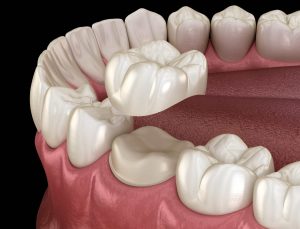
What are Dental Crowns?
Dental crowns are custom-made caps that cover the entire visible portion of a tooth. They restore the tooth’s shape, size, strength, and appearance. Crowns are commonly used for teeth that have been severely damaged by decay, fractures, or wear. They can also be used to improve the appearance of misshapen or discolored teeth, providing a seamless and natural look.
When are Dental Crowns Needed?
Dental crowns are recommended in various situations. One common use is for teeth that have been severely decayed and cannot be restored with a filling. Crowns are also essential after root canal treatments, as they protect and strengthen the tooth. If you have a fractured or cracked tooth, a crown can hold the parts together and prevent further damage. Teeth with large fillings that compromise their structure can benefit from crowns as well. Additionally, crowns are used for cosmetic enhancements, covering misshapen or severely discolored teeth, and to support dental bridges by covering adjacent teeth.
Types of Dental Crowns
We offer a variety of dental crowns to suit your specific needs and preferences. All-metal crowns are known for their durability and strength, making them ideal for molars that require heavy chewing. Porcelain-fused-to-metal crowns (PFM) provide a strong bond due to the metal structure, with a natural tooth-colored porcelain exterior for aesthetics. All-ceramic (porcelain) crowns offer the best natural color match and are an excellent choice for front teeth. Zirconia crowns are known for their strength and natural appearance, making them suitable for both front and back teeth.
The Dental Crown Procedure
The process of getting a dental crown typically involves two visits. During the initial consultation, Dr. Congdon will examine your tooth and take X-rays to assess the extent of the damage. The tooth is then prepared to make room for the crown. If significant tooth structure is missing, a filling material may be used to build up the tooth. Impressions of your tooth are taken to create a custom crown that fits perfectly. A temporary crown is placed to protect the prepared tooth while your permanent crown is being made.
In the second visit, the temporary crown is removed, and the new crown is checked for fit and color. If everything looks good, the crown is permanently cemented in place. The result is a restored tooth that looks and functions like a natural tooth.
Benefits of Dental Crowns
Dental crowns offer numerous benefits. They restore the functionality of teeth, allowing you to bite and chew properly. Crowns are custom-made to match the color and shape of your natural teeth, enhancing your smile’s appearance. They also provide protection to weakened teeth, preventing further damage. With proper care, dental crowns can last many years, offering a long-term solution for dental restoration.
Aftercare for Dental Crowns
Proper care is essential to ensure the longevity of your dental crown. Maintain good oral hygiene by brushing twice a day and flossing daily to prevent decay and gum disease. Avoid chewing on hard objects like ice or pens, which can damage the crown. Regular dental checkups are crucial to ensure your crown and surrounding teeth remain healthy. During these visits, we will examine the condition of your crown and provide any necessary maintenance.
Contact Us
If you have any questions about dental crowns or wish to schedule a consultation, please contact Centrasota Dental. Our team is dedicated to providing high-quality dental care and helping you achieve a healthy, beautiful smile.
Dental Crown Questions
How long does a dental crown last?
At Centrasota Dental, we find that the longevity of a dental crown can vary depending on several factors, including the material used, your oral hygiene habits, and overall dental health. On average, a dental crown can last anywhere from 10 to 15 years, but with excellent care, some crowns can last even longer.
To help your crown last as long as possible, we recommend maintaining good oral hygiene by brushing and flossing regularly and scheduling routine check-ups. Avoiding habits like teeth grinding (bruxism) or chewing on hard objects (like ice or pens) can also prevent premature wear and tear.
If you have any concerns about the longevity of your dental crown or need advice on maintaining it, feel free to reach out to us at Centrasota Dental. We’re here to help ensure your crown stays strong and functional for years to come!
How much does a crown cost per tooth?
At Centrasota Dental, the cost of a dental crown can vary depending on several factors, such as the material used, the location of the tooth, and any additional procedures that may be required. On average, the cost of a dental crown can range from $800 to $1,500 per tooth.
Different types of crowns—such as porcelain, ceramic, or metal—have varying price points. Porcelain crowns tend to be more expensive due to their natural appearance and durability. Additionally, if you need any preparatory work, such as a root canal or significant reshaping of the tooth, that may also affect the overall cost.
We understand that dental treatments can be an investment, and we’re happy to work with you to explore insurance coverage and payment options to make sure you get the care you need. For a more precise estimate tailored to your specific situation, we encourage you to schedule a consultation with us at Centrasota Dental. Our team is here to guide you through the process and ensure you’re comfortable with your treatment plan.
What is the downside of crowns on teeth?
At Centrasota Dental, we believe in providing all the information you need to make informed decisions about your dental care. While dental crowns are a highly effective solution for restoring damaged teeth, there are a few potential downsides to consider:
- Tooth Sensitivity: After receiving a crown, some patients may experience temporary sensitivity to hot or cold temperatures. This is usually due to the tooth structure being exposed during the procedure. The sensitivity typically subsides over time, but if it persists, we can offer solutions to help manage it.
- Potential for Damage or Wear: While dental crowns are durable, they aren’t invincible. Porcelain crowns, for example, can chip or crack if exposed to excessive pressure, such as grinding your teeth or chewing on hard objects. We recommend wearing a night guard if you grind your teeth to protect your crown.
- Cost: Crowns can be a more expensive option compared to other restorative treatments like fillings. However, they often provide longer-lasting results and superior protection for severely damaged teeth, making them a worthwhile investment for many patients.
- Tooth Preparation: In order to place a crown, a significant portion of the natural tooth must be reshaped or reduced. While this is necessary to ensure a secure fit, it is an irreversible process that alters the tooth permanently.
- Potential for Future Issues: In rare cases, if the crown isn’t fitted properly or if there is an underlying issue with the tooth, bacteria can accumulate underneath, leading to decay or infection. Regular check-ups and proper oral hygiene are key to preventing this.
At Centrasota Dental, our goal is to help you understand both the benefits and potential drawbacks of dental crowns so you can make the best choice for your oral health. If you have any concerns or questions, we’re here to guide you through the decision-making process.
What are the different types of dental crowns?
At Centrasota Dental, we offer several types of dental crowns, each designed to meet different needs based on the tooth’s location, function, and your preferences. The most common types of dental crowns include porcelain crowns, ceramic crowns, metal crowns, and porcelain-fused-to-metal (PFM) crowns.
Porcelain and ceramic crowns are popular for their natural appearance, as they can be closely matched to the color of your natural teeth. These are often used for front teeth where aesthetics are especially important. They offer durability while maintaining an attractive look, making them a great choice for visible areas of your smile.
Metal crowns, made from materials such as gold or alloys, are extremely durable and resistant to wear, making them ideal for molars at the back of the mouth where chewing forces are strongest. Although they are not the most aesthetically pleasing option due to their metallic appearance, metal crowns are known for their longevity and strength.
Porcelain-fused-to-metal (PFM) crowns combine the best of both worlds, offering the strength of a metal crown with the natural appearance of a porcelain one. These crowns have a metal base for durability, but the visible portion is covered with porcelain, giving the crown a more tooth-like appearance. PFM crowns are a versatile choice for many patients, balancing aesthetics and durability.
The choice of crown material depends on factors like the location of the tooth, your budget, and your personal preferences. At Centrasota Dental, we’re happy to discuss your options and help you select the type of crown that best suits your needs.
Is it painful to get a dental crown?
At Centrasota Dental, we understand that the idea of getting a dental crown may cause some anxiety, especially when it comes to concerns about pain. The good news is that the process of getting a dental crown is typically not painful. We use local anesthesia to numb the area around the tooth, ensuring that you feel little to no discomfort during the procedure itself. You may feel some pressure as we work on preparing the tooth, but this should not be painful.
After the anesthesia wears off, it’s normal to experience some mild discomfort or sensitivity, particularly if the tooth was in poor condition before the procedure. This can usually be managed with over-the-counter pain medications, and any sensitivity should subside within a few days. If your crown is placed after a root canal, the tooth may be even less sensitive since the nerve has been removed.
We take every step to ensure that you’re comfortable throughout the entire process. If you have concerns about discomfort during or after getting a crown, please let us know. We’re here to make your experience as smooth and pain-free as possible.
Does getting a crown require a root canal?
At Centrasota Dental, it’s a common misconception that getting a crown always requires a root canal, but this isn’t necessarily the case. A dental crown is often used to protect a tooth that has been weakened by decay, damage, or a large filling, but the tooth itself may still have a healthy nerve. In these situations, no root canal is needed, and we can simply place the crown over the prepared tooth to restore its strength and appearance.
However, if the tooth is severely damaged or infected, and the nerve or pulp inside the tooth is affected, a root canal might be necessary before placing a crown. The root canal procedure removes the infected or damaged tissue from inside the tooth, allowing the crown to protect the remaining structure without the risk of ongoing infection or pain.
Ultimately, whether or not a root canal is required depends on the condition of the tooth. If you’re uncertain about your situation, we’ll be happy to evaluate your tooth and discuss the best treatment options to restore your oral health.
What is the difference between a cap and a crown?
At Centrasota Dental, we often get asked whether there’s a difference between a “cap” and a “crown,” and the answer is that they are essentially the same thing. The term “cap” is more of a layman’s term that some people use to describe a dental crown, while “crown” is the technical term used in dentistry.
A dental crown, or “cap,” is a tooth-shaped covering placed over a damaged, decayed, or weakened tooth to restore its strength, shape, and appearance. Crowns are custom-made to fit perfectly over your tooth and can be made from various materials like porcelain, metal, or a combination of both. Whether you call it a cap or a crown, the purpose remains the same: to protect and strengthen your tooth while giving it a natural look and feel.
So, whether you hear “cap” or “crown,” rest assured that they both refer to the same restorative treatment designed to preserve and protect your teeth.
Why are dental crowns sometimes not covered by insurance?
At Centrasota Dental, we understand that the cost of dental crowns is a concern for many patients, and sometimes, dental insurance may not cover the procedure. This can be frustrating, and the reasons for this vary depending on your insurance provider and the specific policy you have.
One reason dental crowns may not be covered is that insurance companies often classify them as a major procedure, and many policies have limited coverage for these types of treatments. If a crown is considered cosmetic—such as when it’s used to improve the appearance of a tooth rather than for structural reasons—insurance companies are less likely to cover the cost. Additionally, some plans may have a waiting period before covering major treatments, or they may only cover a portion of the expense.
It’s also possible that insurance companies prefer to cover less expensive alternatives, like fillings, if they are sufficient to treat the problem, even if a crown would provide a more durable or long-term solution. We always recommend checking with your insurance provider to understand your specific coverage and out-of-pocket costs before proceeding with treatment. At Centrasota Dental, we’re happy to assist with insurance questions and work with you to find the best treatment plan for your needs and budget.
What happens if I can’t afford a crown?
At Centrasota Dental, we understand that cost can be a concern when it comes to dental treatments, including crowns. If you find yourself in a situation where affording a crown seems challenging, it’s important to know that you still have options.
The first thing we recommend is having an open discussion with us about your financial situation. In many cases, we can explore flexible payment plans or financing options to help spread the cost of treatment over time. We work with a variety of payment options that can make it easier to fit necessary dental care into your budget.
Another possibility is to explore alternative treatments. While a crown may be the best long-term solution for restoring a tooth, in some cases, there may be less expensive treatments like large fillings or temporary fixes that can help in the short term. However, it’s important to keep in mind that these alternatives may not be as durable or effective as a crown.
Delaying treatment is generally not recommended, as untreated dental issues can worsen over time, potentially leading to more extensive and costly procedures in the future. That’s why we encourage patients to seek care as soon as possible, even if cost is a concern, so we can find the most affordable and effective path forward.
At Centrasota Dental, our priority is your oral health, and we’re here to support you in finding solutions that work for both your dental needs and your financial situation.
How much of a tooth is needed for a crown?
At Centrasota Dental, when it comes to placing a dental crown, it’s essential that enough of the original tooth structure remains to support the crown securely. In general, there needs to be a solid foundation for the crown to attach to, which means that at least a portion of the natural tooth must be intact. If a significant amount of the tooth is damaged or decayed, we may need to perform additional procedures to build up the tooth before placing the crown.
In some cases, if the remaining tooth structure is too weak or insufficient, we might recommend a core buildup or the use of a post to help stabilize the tooth and provide the necessary support for the crown. This is especially common after root canal treatments, where the tooth has been hollowed out and requires reinforcement to handle the stress that chewing places on it.
However, even if only a small portion of the tooth remains, modern dental techniques often allow us to save the tooth and restore it with a crown. The goal is always to preserve as much of your natural tooth as possible while providing a long-lasting, durable restoration.
If you’re concerned about whether you have enough tooth left for a crown, we’ll evaluate your specific situation during your consultation at Centrasota Dental and determine the best approach to restore and protect your tooth.
Why do dentists put crowns on teeth?
We place crowns on teeth for several important reasons, all aimed at protecting your oral health and ensuring the longevity of your smile. A dental crown is typically used to restore a tooth that has been damaged, weakened, or significantly decayed. When a tooth’s structure is compromised and a regular filling isn’t enough to provide stability, a crown acts as a protective cover, restoring the tooth’s strength and function.
Crowns are also placed on teeth that have undergone root canal therapy. After a root canal, the tooth can become brittle, and placing a crown over it helps prevent fractures and future damage. Additionally, crowns are used to improve the appearance of a tooth that may be discolored, misshapen, or uneven, offering both functional and cosmetic benefits.
In some cases, we also use crowns to hold dental bridges in place, helping replace missing teeth by anchoring the bridge securely to the surrounding healthy teeth. Essentially, a crown serves as a durable, long-term solution when a tooth needs extra protection or restoration, allowing you to maintain your oral health and keep your smile looking and functioning its best.
What is the strongest type of dental crown?
Choosing the right type of dental crown is essential for long-term durability and functionality, especially for teeth that endure heavy chewing forces. The strongest type of dental crown is typically made from zirconia, a type of ceramic that is known for its exceptional strength and durability. Zirconia crowns are highly resistant to wear and fracture, making them an excellent choice for molars or back teeth where the chewing forces are greater.
While other types of crowns, like porcelain-fused-to-metal (PFM) and all-porcelain crowns, are also durable and offer good aesthetic results, zirconia crowns stand out for their superior strength. They are less likely to chip or break over time and can be made in a way that closely matches the natural appearance of your teeth.
Zirconia crowns are also biocompatible, meaning they are less likely to cause irritation or allergic reactions in the mouth. This combination of strength, longevity, and safety makes zirconia one of the most popular and reliable options for patients needing a strong, long-lasting dental crown.
How does a crown work on a tooth?
A dental crown works by fully covering and protecting a damaged or weakened tooth, restoring its shape, size, strength, and appearance. When a tooth has been compromised by decay, fractures, or after a root canal, a crown acts like a protective cap, shielding the remaining structure from further damage. At Centrasota Dental, we use crowns to help preserve your natural tooth and prevent the need for extraction.
The process involves shaping the damaged tooth so the crown can fit securely over it. Once the tooth is prepared, we create an impression to ensure the crown fits perfectly. The crown is then bonded to the tooth using dental cement, providing a snug fit that restores the tooth’s functionality. Crowns are particularly effective for teeth that endure significant chewing forces, such as molars, and they can also improve the appearance of misshapen or discolored teeth.
Crowns not only restore the tooth’s strength but also help maintain proper alignment and bite, ensuring long-term oral health. Whether made from porcelain, metal, or a combination, a dental crown is designed to work seamlessly with your natural teeth.
How long does the dental crown procedure take?
The dental crown procedure typically takes two appointments at Centrasota Dental. During the first visit, we prepare your tooth, take impressions, and place a temporary crown. This initial appointment usually lasts about 60 to 90 minutes. The time needed depends on how much work is required to prepare the tooth, such as reshaping or filling to ensure a proper fit for the crown.
After the first appointment, it generally takes about two weeks for your permanent crown to be crafted in a dental lab. Once it’s ready, you’ll come in for a second appointment, which is shorter, usually around 30 to 60 minutes. During this visit, we remove the temporary crown and bond the permanent one to your tooth.
In total, the entire process typically spans two to three weeks, but you can resume your normal activities after each appointment without significant downtime.
What happens if a crown falls off?
If a crown falls off, it’s important to contact us at Centrasota Dental as soon as possible so we can assess the situation and reattach or replace the crown. While it might not always be an emergency, it’s best not to delay, as leaving your tooth exposed without the protection of the crown can lead to discomfort, sensitivity, or even damage to the tooth underneath.
In the meantime, try to keep the crown and the area around the tooth clean. Avoid chewing on that side of your mouth to prevent any further damage. If the crown is still intact, you can temporarily place it back over your tooth using over-the-counter dental cement or adhesive until you can get to our office.
We’ll evaluate whether the crown can be re-cemented or if a new one is needed, ensuring your tooth remains protected and functional. Letting us know promptly will help prevent any complications and ensure your tooth stays healthy.
When is it not possible to get a dental crown?
There are certain situations where it might not be possible to get a dental crown. One of the most common reasons is if there is not enough healthy tooth structure left to support the crown. This can happen if the tooth is severely decayed or damaged beyond repair. In such cases, other treatments like a tooth extraction or dental implant might be considered instead.
Additionally, if a tooth is too far gone in terms of infection, especially if it can’t be treated with a root canal, a crown might not be a viable option. Gum disease can also affect whether a crown is possible, as the supporting bone and tissue need to be healthy enough to hold the crown in place.
At Centrasota Dental, we always conduct a thorough evaluation to determine if a dental crown is the best treatment for your specific situation. If a crown isn’t possible, we will discuss alternative treatments that can still restore your oral health and function.
How strong are dental crowns?
Dental crowns are designed to be very strong and durable, often restoring the tooth’s strength to its original, or even stronger, condition. The strength of a dental crown depends largely on the material it’s made from. For example, porcelain-fused-to-metal crowns and zirconia crowns are known for their strength and are ideal for molars and teeth that endure heavy chewing pressure.
Zirconia crowns, in particular, are one of the strongest types available, and they’re highly resistant to chipping or cracking. Ceramic and porcelain crowns, while slightly less durable, still offer excellent strength and are often chosen for their natural appearance, making them a popular choice for front teeth.
No matter the type, all crowns are built to withstand the daily wear and tear that comes with biting and chewing. With proper care, including regular dental check-ups, a well-made dental crown can last many years, providing both strength and functionality for your smile.
Can you whiten dental crowns?
Unfortunately, dental crowns cannot be whitened in the same way that natural teeth can. Crowns are made from materials like porcelain or ceramic, which are highly durable but do not respond to whitening treatments designed for tooth enamel. The color of a crown is chosen to match your natural teeth at the time it’s placed, and this shade is permanent.
If you’re considering teeth whitening, it’s best to do so before getting a crown, so the color of the crown can be matched to your newly brightened smile. If you already have a crown and your natural teeth have changed color over time, you may need to consider replacing the crown to better match your current tooth color after whitening. At Centrasota Dental, we’re happy to guide you through the best options for achieving and maintaining a bright, even smile.
How do I care for my dental crown?
Caring for your dental crown is similar to caring for your natural teeth, but there are a few extra things to keep in mind to ensure it lasts as long as possible. First, make sure to brush and floss your teeth at least twice a day, paying special attention to the area around the crown. Even though the crown itself is made from durable materials, the tooth underneath and the surrounding gums still need protection from plaque and bacteria.
Using a fluoride toothpaste can help strengthen the tooth underneath the crown, and an antibacterial mouthwash can help keep the area clean. Be mindful of hard or sticky foods, as these can potentially dislodge or damage the crown. Try to avoid habits like chewing ice, biting fingernails, or using your teeth to open packages, as these can put extra stress on the crown.
Regular dental checkups are also important. During your visits to Centrasota Dental, we’ll check the condition of your crown, ensuring that it’s still properly fitted and functioning as it should. With proper care, your dental crown can last for many years, helping you maintain a healthy and confident smile.
What are the alternatives to dental crowns?
If a dental crown isn’t the best option for you, there are several alternatives that might suit your needs depending on the condition of your tooth. At Centrasota Dental, we explore all available options before recommending a crown to ensure you receive the most appropriate treatment.
One common alternative is a dental filling. For minor decay or damage, a filling can restore the tooth without needing a crown. Fillings are ideal for teeth that don’t require as much structural support and can be done using materials like composite resin, which blends in with the natural color of your tooth.
Another option is a dental onlay or inlay. These are more substantial than fillings but less invasive than a full crown. Inlays fit inside the cusp of your tooth, while onlays extend over one or more cusps. They are great for restoring larger portions of a damaged tooth while preserving as much of your natural tooth structure as possible.
For severely damaged or decayed teeth that can’t be repaired, tooth extraction and replacement with a dental implant or bridge may be necessary. A dental implant is a more permanent solution, providing a strong foundation for a replacement tooth, while a bridge fills the gap left by the missing tooth.
Each alternative comes with its own benefits and considerations, and we’re here to guide you through the options based on your specific dental situation. Ultimately, our goal is to help you make the best choice for your long-term oral health.
Can a crowned tooth still get a cavity?
Yes, a crowned tooth can still get a cavity. While the dental crown itself is made from materials that are not susceptible to decay, the natural tooth underneath is still vulnerable. Cavities can form at the margin where the edge of the crown meets your natural tooth if plaque and bacteria build up in that area.
To prevent this, it’s important to maintain good oral hygiene practices, including brushing and flossing regularly, especially around the gumline where the crown and tooth meet. Regular dental check-ups at Centrasota Dental are also essential, as we can monitor the health of both your crown and the underlying tooth to catch any potential issues early.
If decay forms under the crown and is not treated, it could compromise the integrity of the tooth and the crown, potentially leading to the need for a new crown or additional dental work. So while crowns provide excellent protection and strengthen the tooth, proper care is still necessary to ensure long-term success.
Do crowns look like natural teeth?
Yes, crowns are designed to look like natural teeth. At Centrasota Dental, we take great care in ensuring that your crown blends seamlessly with the rest of your smile. Crowns can be made from materials such as porcelain, ceramic, or porcelain fused to metal, which can be color-matched to the shade of your natural teeth. This ensures that the crown not only restores the function of your tooth but also maintains the aesthetic appearance of your smile.
The goal of a dental crown is to replicate the look, shape, and feel of a natural tooth, so once it’s placed, it should look and feel like a natural part of your mouth. Our team is committed to making sure your crown fits comfortably and complements your smile, providing a durable and aesthetically pleasing solution.
What materials are used for dental crowns?
A variety of materials can be used for dental crowns, each with its own advantages depending on the patient’s needs. The most common materials used for dental crowns include:
- Porcelain or Ceramic: These crowns are often chosen for their natural appearance. They can be closely matched to the color of your surrounding teeth, making them ideal for front teeth. Porcelain and ceramic crowns are also a good option for patients with metal allergies.
- Porcelain Fused to Metal (PFM): This type of crown offers both strength and aesthetics. The metal base provides durability, while the porcelain overlay allows for a natural tooth appearance. PFM crowns are often used for both front and back teeth.
- Metal: Crowns made from gold, platinum, or base metal alloys are extremely durable and resistant to wear. While not as natural-looking as porcelain, metal crowns are ideal for molars in the back of the mouth where they are less visible but subjected to heavy chewing forces.
- Zirconia: Zirconia crowns are known for their exceptional strength and natural appearance. They are particularly resistant to chipping and cracking, making them an excellent option for both front and back teeth.
- Composite Resin: Composite resin crowns are less expensive than other types, but they may wear down over time and are more prone to fractures compared to other materials. These are typically used for temporary crowns.
Each material has its specific benefits, and we can help you decide which one best fits your needs based on factors like durability, appearance, and location of the crown in your mouth. Our goal is to ensure that your crown provides both function and beauty, giving you a long-lasting solution that enhances your smile.
How soon can I eat after getting a crown?
After getting a dental crown at Centrasota Dental, you’ll be able to eat fairly soon, but the timing depends on a few factors. If we used a temporary crown while your permanent one was being made, you might want to be a bit more cautious. Temporary crowns aren’t as strong as permanent ones, so we recommend avoiding sticky or hard foods that could dislodge it.
For permanent crowns, once the anesthesia wears off—usually within a few hours—you can eat. However, it’s a good idea to start with soft foods until you’re confident the crown feels comfortable. Avoid chewing on the side of your mouth where the crown was placed for the first day or two to allow it to settle. It’s also smart to stay away from extremely hot or cold foods, as your tooth may be slightly sensitive right after the procedure.
In short, once the anesthesia wears off, you can return to eating but with a bit of caution, especially if a temporary crown is involved.
What should I avoid after getting a dental crown?
After getting a dental crown at Centrasota Dental, there are a few things you should avoid, especially in the initial days, to ensure your crown settles properly and stays in good condition.
First, if you received a temporary crown, it’s important to avoid sticky or hard foods that could dislodge or damage it. Chewy candies, gum, crunchy snacks like chips, and nuts can all put unnecessary pressure on the temporary crown. Even after your permanent crown is placed, it’s best to avoid chewing directly on that side of your mouth for the first day or two to let everything settle.
Additionally, you should avoid extreme temperatures—both hot and cold foods—immediately after the procedure, as your tooth may still be sensitive. Be mindful of sugary foods and drinks, which can lead to decay around the crown. If you’ve received anesthesia, avoid eating or drinking until the numbness wears off to prevent accidentally biting your cheek or tongue.
Lastly, try to steer clear of bad habits like biting your nails or using your teeth to open packages, as these can weaken or damage your crown over time. By being mindful of these things, you’ll help ensure your crown stays in great shape.