
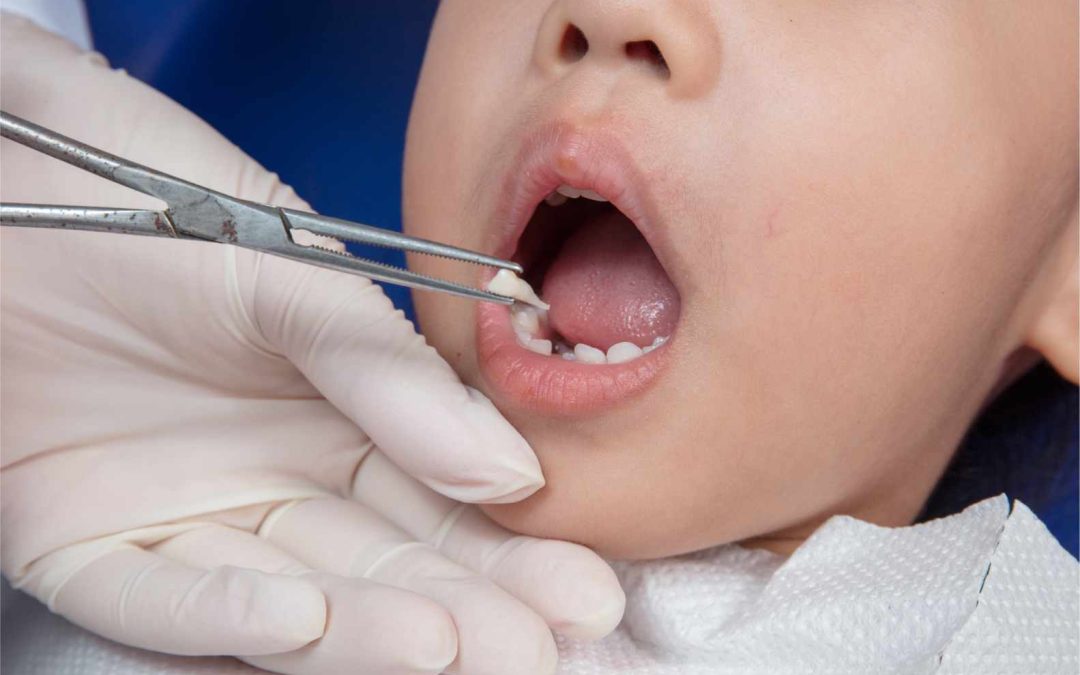
Undergoing a tooth extraction, while sometimes necessary for your overall general dentistry health, naturally brings questions about recovery. Patients often search for reassurance and clear instructions regarding tooth extraction aftercare and managing the subsequent discomfort. At Centrasota Dental, your comfort and swift recovery are our top priorities. This guide provides the essential, step-by-step instructions you need to manage pain, prevent complications, and ensure fast, effective healing after your procedure here in St. Cloud.
- Quick Summary: Proper aftercare following a tooth extraction is vital to prevent complications like dry socket and ensure fast healing and effective pain management.
- Protect the blood clot that forms in the socket.
- Manage swelling with cold compresses for the first 24 hours.
- Adhere strictly to prescribed or recommended pain medication.
- Stick to soft, nutrient-rich foods during the initial recovery phase.
Table of Contents
- Immediate Aftercare: Protecting the Blood Clot
- Managing Pain and Swelling
- The Healing Process: What to Eat and Avoid
- Preventing Complications (The Dry Socket Risk)
- When to Contact Centrasota Dental
Immediate Aftercare: Protecting the Blood Clot
The most critical aspect of successful tooth extraction aftercare is protecting the blood clot that forms in the socket. This clot acts as a protective barrier and the foundation for new bone and tissue growth.
- Maintain Pressure: Keep the gauze pad we placed over the surgical site in place for at least 30 to 45 minutes, biting down firmly but gently.
- Avoid Disturbance: Do not disturb the site with your finger or tongue.
- No Rinsing: Avoid rinsing your mouth for the first 24 hours.
- Avoid Suction: Do not drink through a straw, spit forcefully, or smoke for at least 48 hours, as the suction can dislodge the clot.
Managing Pain and Swelling
It is normal to experience some pain and swelling following the removal of a tooth. However, effective pain after dental procedure can be managed easily with our guidance.
- Medication Schedule: Take any prescribed pain medication exactly as directed, or use over-the-counter pain relievers recommended by Dr. Congdon. It is often most effective to take the first dose before the anesthetic completely wears off.
- Controlling Swelling: Apply an ice pack or a cold compress to the outside of your cheek, near the extraction site, for 10 minutes on and 20 minutes off, during the first 24 hours. After 24 hours, switch to moist heat if needed.
- Rest and Elevation: Keep your head elevated when lying down, and limit physical activity for the first day to minimize bleeding and throbbing.
The Healing Process: What to Eat and Avoid
During the initial phase of aftercare, your diet needs to be carefully managed to ensure the healing clot remains secure and to prevent irritation to the wound.
- Start Softly: For the first 24–48 hours, stick strictly to soft foods and liquids such as yogurt, applesauce, mashed potatoes, and cold soups.
- Avoid Irritants: Do not consume hot liquids, alcohol, or carbonated beverages for several days. These can irritate the site and interfere with clotting.
- Chew Away: When you begin reintroducing solids, chew on the side of your mouth opposite the extraction site.
Preventing Complications (The Dry Socket Risk)
The most common complication following a tooth extraction is a dry socket, which occurs when the blood clot dissolves or is dislodged before the site has healed. This exposes the underlying bone and nerves, causing significant pain.
You can significantly reduce your risk by following all immediate aftercare instructions, particularly avoiding smoking and suction. After 24 hours, you may begin gently rinsing with warm salt water (1/2 teaspoon of salt in a glass of warm water) to keep the area clean. This gentle rinsing should only begin after the first day of recovery is complete.
When to Contact Centrasota Dental
While some discomfort and swelling are normal, certain symptoms require immediate attention. If you experience any of the following, please contact us immediately:
- Severe Bleeding: If bleeding persists or is heavy after applying pressure for a full hour.
- Increased Swelling or Pain: If swelling increases significantly, or if pain worsens dramatically after the first three days.
- Fever or Nausea: These could be signs of an infection.
- Prolonged Numbness: If numbness persists in your lip or chin more than 24 hours after the extraction.
We are dedicated to providing comprehensive care from your initial exam to full recovery. If you are experiencing pain or have questions about tooth extraction aftercare here in St. Cloud, please do not hesitate to call our office.
Recent Comments