
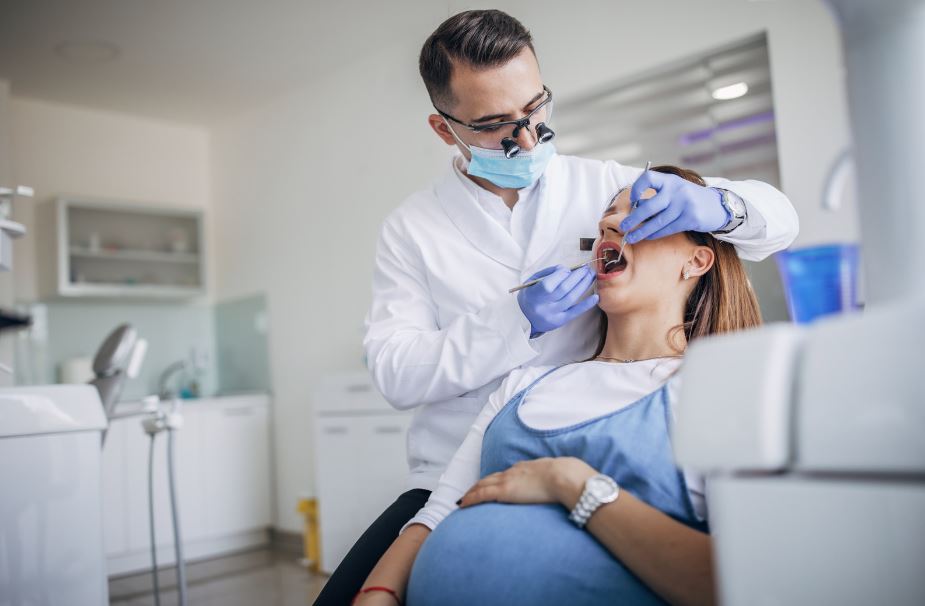
As we prepare for the arrival of a new family member, it’s natural to focus on maintaining overall health, but one area that often gets overlooked is oral health. At Centrasota Dental, we understand the unique challenges that pregnancy brings to your dental care. As your body goes through significant changes, these can impact your oral health in ways you might not expect. We’re here to help you understand those changes and take proactive steps to ensure a healthy, radiant smile throughout your pregnancy.
How Pregnancy Affects Your Oral Health
During pregnancy, the body experiences a surge in hormones that can affect your gums and teeth, making it more important than ever to maintain good oral hygiene and keep up with regular dental visits. Below are some of the most common oral health issues expectant mothers may face and how we can help you address them.
Pregnancy Gingivitis
It’s common for pregnant women to develop pregnancy gingivitis, a condition characterized by swollen, tender, and bleeding gums. This is due to hormonal fluctuations that increase blood flow to the gums and heighten the body’s response to plaque buildup. Left untreated, pregnancy gingivitis can progress to more serious gum disease, which has been linked to complications such as preterm birth. We recommend maintaining a rigorous oral hygiene routine and scheduling regular checkups to prevent or manage gingivitis effectively.
Tooth Decay
Many women experience an increased risk of tooth decay during pregnancy due to changes in diet and frequent cravings for sugary foods. Additionally, morning sickness can increase the amount of acid in your mouth, which erodes enamel and makes teeth more vulnerable to cavities. At Centrasota Dental, we encourage expectant mothers to brush twice a day with fluoride toothpaste, floss daily, and limit sugary snacks to reduce the risk of tooth decay.
Pregnancy Tumors
Pregnancy tumors, or pyogenic granulomas, are non-cancerous growths that can appear on the gums, often during the second trimester. While they may sound alarming, these growths are usually painless and typically resolve after childbirth. However, if they cause discomfort or interfere with your oral hygiene, we can help you manage them with professional cleanings or, in rare cases, surgical removal.
Enamel Erosion
Morning sickness can lead to frequent vomiting, exposing your teeth to stomach acids that can erode enamel. This weakens your teeth and makes them more susceptible to decay and sensitivity. To protect your enamel, we recommend rinsing your mouth with water after vomiting and waiting 30 minutes before brushing your teeth to avoid further erosion.
Dry Mouth
Dry mouth, or xerostomia, is another common issue during pregnancy. Decreased saliva production can increase the risk of tooth decay and infections. Staying hydrated and chewing sugar-free gum can help stimulate saliva production and keep your mouth moist. If dry mouth persists, let us know so we can recommend additional treatments.
Tooth Mobility
Some women may experience temporary tooth mobility due to hormonal changes that affect the ligaments and bones supporting the teeth. While this can be unsettling, it’s usually temporary and resolves after childbirth. Maintaining good oral hygiene during this time is crucial to avoid further complications.
Tips for Maintaining Oral Health During Pregnancy
- Schedule Regular Check-ups: It’s safe to visit the dentist during pregnancy, and we encourage you to keep up with your routine cleanings and exams. Let us know about your pregnancy so we can adjust treatments if necessary.
- Practice Good Oral Hygiene: Brush twice a day, floss daily, and use fluoride toothpaste to keep your teeth and gums healthy.
- Rinse After Morning Sickness: If you’re experiencing morning sickness, rinse your mouth with water or a fluoride mouthwash to neutralize the acid. Avoid brushing immediately after vomiting to protect your enamel.
- Eat a Balanced Diet: A diet rich in vitamins and minerals supports both your oral health and your baby’s development. Limit sugary and acidic foods to reduce the risk of tooth decay.
- Stay Hydrated: Drinking plenty of water helps prevent dry mouth and supports saliva production, which is essential for maintaining oral health.
At Centrasota Dental, we are committed to providing personalized care during your pregnancy to ensure both your oral health and overall well-being. By maintaining a consistent oral hygiene routine, attending regular dental appointments, and being mindful of changes in your oral health, you can help prevent complications and enjoy a healthy pregnancy. We’re here to support you every step of the way—if you have any concerns or questions, don’t hesitate to reach out.
Your smile is just as important as your baby’s health, and we’re here to make sure both stay in great shape.
— Dr. Robert Congdon and the Centrasota Dental Team
Recent Comments