
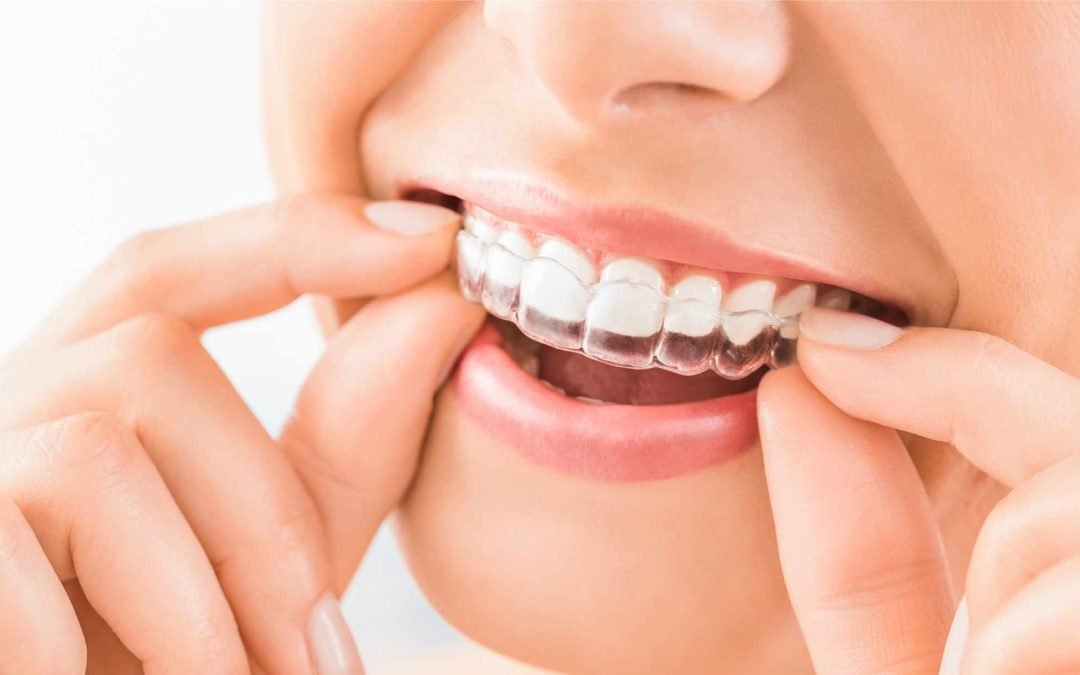
When considering a straighter smile, the choice often comes down to two highly effective options: Invisalign clear aligners and traditional braces. The best choice depends on your specific alignment needs, lifestyle, and aesthetic preferences. While traditional braces are excellent for complex movements, Invisalign offers a virtually invisible and removable alternative that is highly popular among adults and teens.
- Quick Summary: Choosing between Invisalign and traditional braces requires weighing visibility, removability, compliance, and the complexity of the required tooth movement.
- Invisalign offers discreet treatment and is removable for eating.
- Traditional braces are highly effective for severe alignment issues.
- Cost and treatment time can be comparable, depending on the case.
- Both options provide lasting, healthy smile results.
Table of Contents
- The Fundamentals: How Both Treatments Work
- Key Differences: Invisalign vs. Traditional Braces
- Assessing Treatment Effectiveness
- Lifestyle Considerations
- Making Your Decision at Centrasota Dental
The Fundamentals: How Both Treatments Work
Both Invisalign and traditional braces are highly effective forms of orthodontic treatment designed to achieve a healthy, straight smile. They function by applying continuous, gentle pressure to gradually shift teeth into their correct positions.
Traditional braces use metal brackets bonded to the teeth and connected by archwires. These wires are periodically adjusted by Dr. Congdon and the team at Centrasota Dental to facilitate movement.
Invisalign, conversely, uses a series of clear, custom-made, removable plastic trays, or aligners. Each set of aligners is worn for about one to two weeks before progressing to the next set in the series, guiding the teeth incrementally. You can find more detail about the process of Invisalign on our website.
Key Differences: Invisalign vs. Traditional Braces
Understanding the core differences helps patients in St. Cloud determine which option best suits their daily life.
| Feature | Invisalign Clear Aligners | Traditional Braces |
| Visibility | Nearly invisible; highly discreet. | Metal components are clearly visible. |
| Removability | Removable for eating, brushing, and flossing. | Fixed (bonded to the teeth) for the entire treatment period. |
| Oral Hygiene | Easier to maintain hygiene; reduces risk of staining around components. | Requires specialized tools and extra effort to clean around brackets and wires. |
| Diet | No dietary restrictions, as aligners are removed for all meals. | Requires avoiding sticky, hard, or crunchy foods to prevent damage to brackets. |
| Comfort | Smooth plastic trays; generally less abrasive to cheeks and gums. | Wires and brackets may cause minor irritation or sores initially. |
Assessing Treatment Effectiveness
When it comes to effectiveness, the “right” choice often depends on the complexity of your case.
Traditional braces are considered the gold standard for treating severe alignment issues. They provide continuous, powerful force necessary to correct complex problems such as significant rotations, large overbites, and severely misaligned jaw structures.
Invisalign is incredibly effective for the vast majority of mild to moderate alignment issues, including crowding, spacing, and minor bite corrections. Its efficacy relies heavily on patient compliance—aligners must be worn for 20 to 22 hours per day to successfully move the teeth. If an alignment issue is minor, Invisalign is a popular option in cosmetic dentistry because of its discreet nature.
Lifestyle Considerations
Your lifestyle plays a significant role in which treatment will be most successful and manageable.
For patients who prioritize aesthetics, Invisalign is often the preferred choice. The clear trays allow patients to smile, speak, and socialize confidently throughout the treatment period without visible metal wires. Its removability is a massive benefit for those who don’t want to change their diet or struggle with detailed cleaning. However, it requires significant discipline to ensure the aligners are worn for the required amount of time each day.
Traditional braces require fewer lifestyle adjustments other than specific dietary restrictions. Since the appliance is fixed to the teeth, there is no need to track wear time, ensuring that the treatment progresses reliably without requiring daily patient compliance. They are the simplest choice for patients who may struggle with remembering to wear their aligners.
Making Your Decision at Centrasota Dental
Both Invisalign and traditional braces are powerful tools for achieving a straight, healthy smile. The best option is the one that aligns with your clinical needs and personal priorities.
Dr. Congdon and our team are committed to providing personalized care. We invite you to schedule a consultation where we can thoroughly assess your specific alignment needs, discuss your lifestyle, and help you determine whether Invisalign or traditional braces will deliver your best smile transformation. Contact us today to start your journey.
Recent Comments